
THE MAST COLLECTION
A visual alphabet of industry, work and technology
THE EXHIBITION CLOSED ON AUGUST 28TH, 2022.
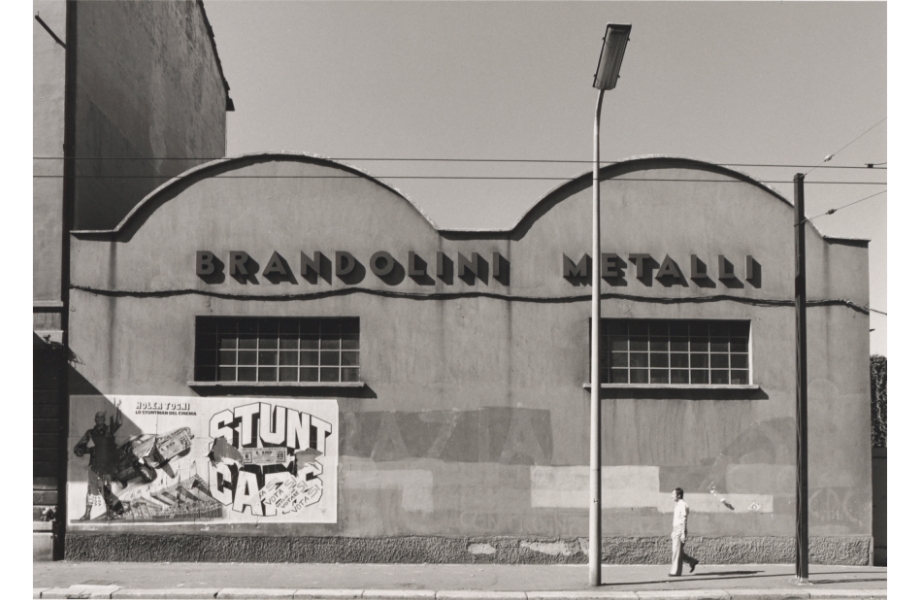
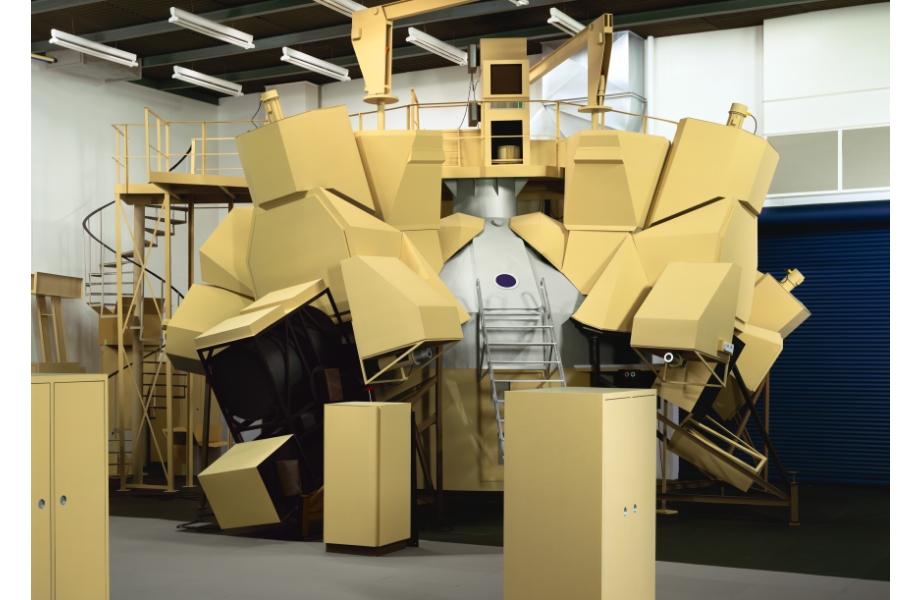
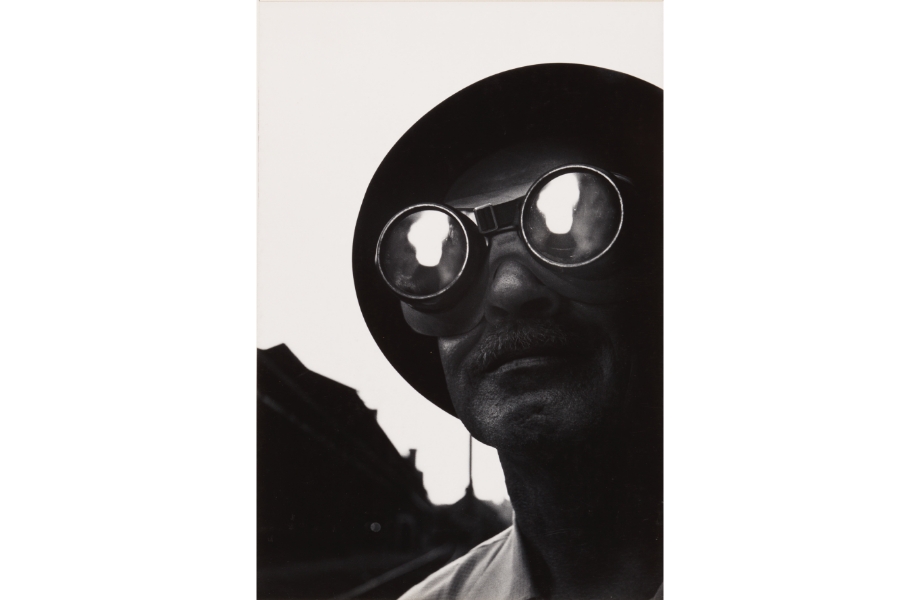
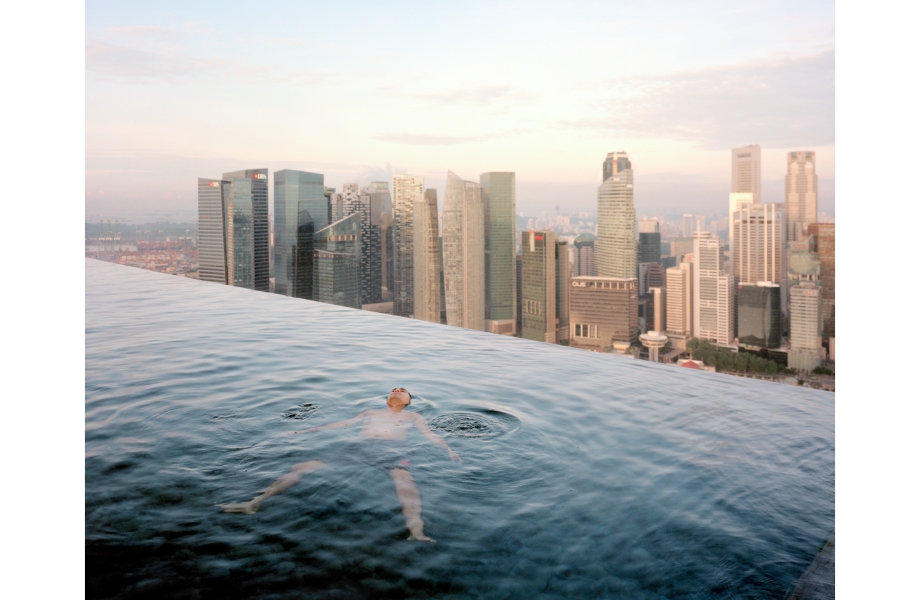
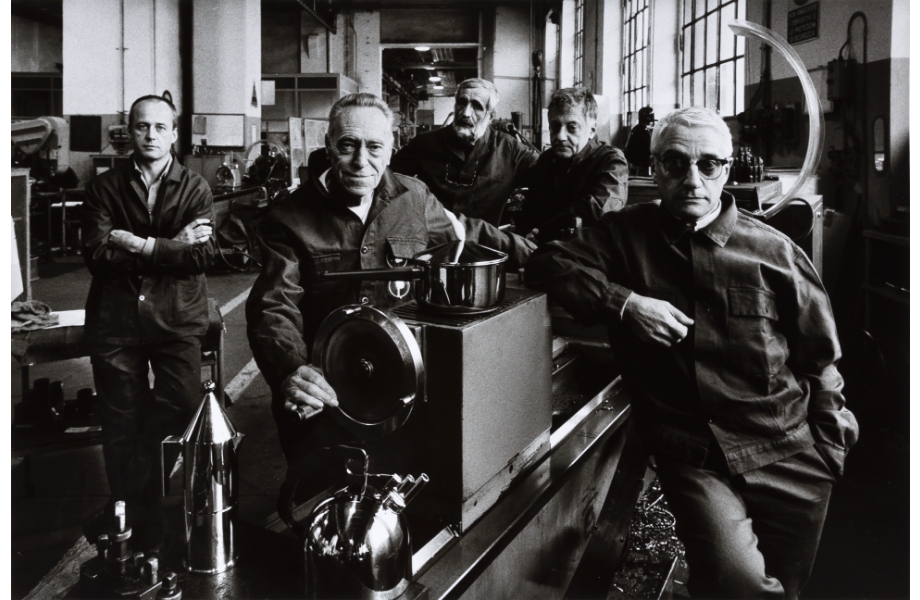
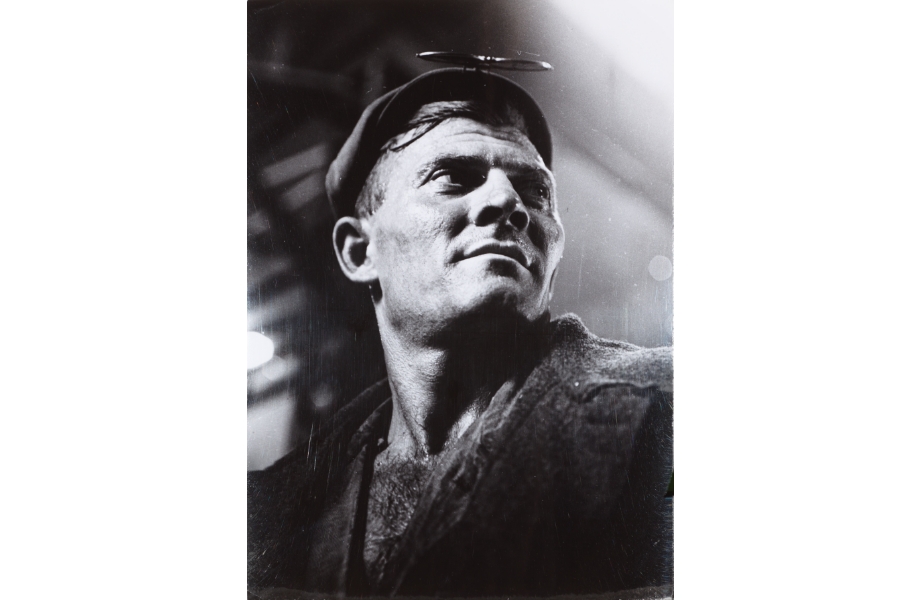
In the early noughties the Fondazione MAST created a space dedicated to industrial and work-related photography, acquiring images from auction houses, private collectors, art galleries, photographers and artists. The Foundation’s holdings, which already included films, negatives on glass and film, photographs, albums and catalogues produced in the Coesia Group’s plants since the early twentieth century, expanded and stretched beyond the parameters of promotional and documentary material regarding the Group’s companies. Currently the collection comprises over 6000 images and videos by well-known artists and masters of the lens, besides a vast selection of photograph albums containing thousands of images. As was usually the case in industrial photography, they were produced by unknown authors or by company technicians dabbling with the medium as a hobby, but this did not make the images any less representative of the world of work. The MAST Collection has now become a truly unique point of reference in this particular sphere of photography. Besides images from the 19th and early 20th century, the collection also includes contemporary production, the result of a value-focused selection process and a careful methodological approach.
It might seem unusual to find a photography department in a Foundation whose mission is to promote social and company welfare. But representing the industrialization of society and documenting its evolution so as to make the Foundation a distinctive institution and a center for art, reflection, knowledge and education gave impetus and creativity to the special initiative. It is all about celebrating productive activities and the culture of work, and it is also associated with the choice to focus on real depictions of “labour” – and the fatigue, exploitation and dignity bound up with it.
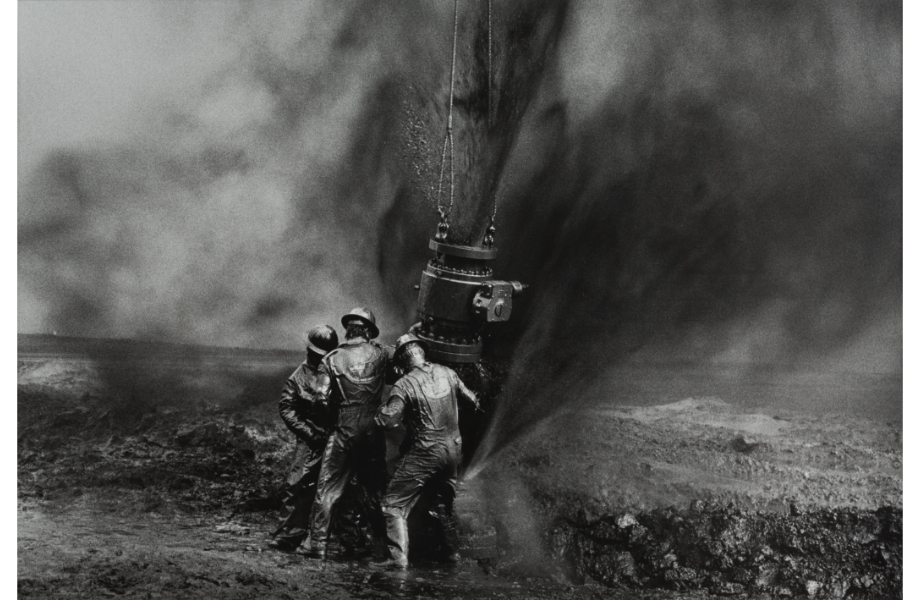
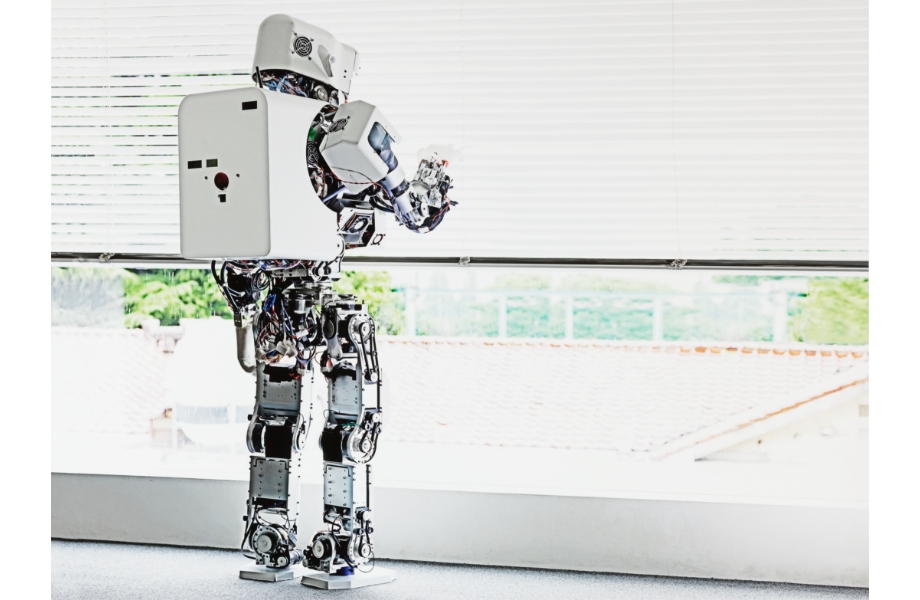
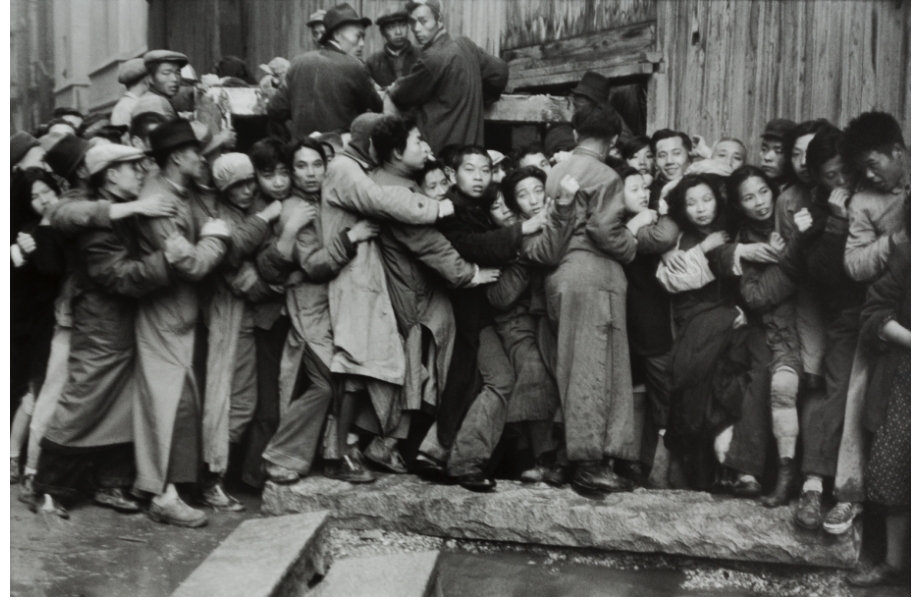
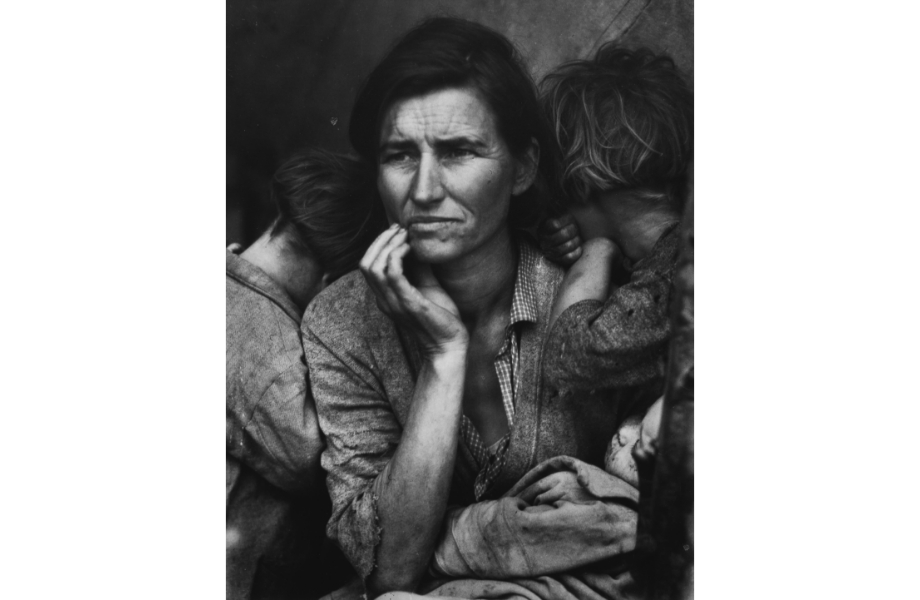
Work inhabits our lives, and social, documentary and historiographic photography pays tribute to it with powerful, convincing, rare and unusual images of a universe which is often overlooked. For the first time the Fondazione MAST presents an extraordinary selection of over 500 images drawn from its collection of photographs, albums and videos. Occupying all the exhibition areas in the MAST building, the iconic images by world-famous artists, less well-known or anonymous photographers and finalists of the MAST Photography Grant offer visual testimony to the world of work. Such is the complexity of the exhibition that it has been structured into 53 chapters devoted to different concepts illustrated by the images on display. The whole topic requires a list of terms that, given the vast range of professions, themes, functions and values relating to the world of work, is never exhaustive.
An alphabet has been created that runs across the walls of the three exhibition spaces and goes from A “Abandoned” to W “Waste”, “Water” and “Wealth” (words with Z are rare in English), identifying the points and areas of interests that convey the true meaning of each image. The visual lexicon evokes connections and interactions stimulating wider considerations. Along the exhibition the themes addressed by the photographs displayed are in black, while those intended for contextual critical reflection are in normal font.
With regard to the artists and photographers as well, the many chapters can be viewed as villages in which the old and young, the rich and poor, the healthy and the sick, workers and intellectuals all live together in close proximity, or as industrial areas where several hundred jobs are all grouped together and a disparate range of perceptions, attitudes and projects converge.
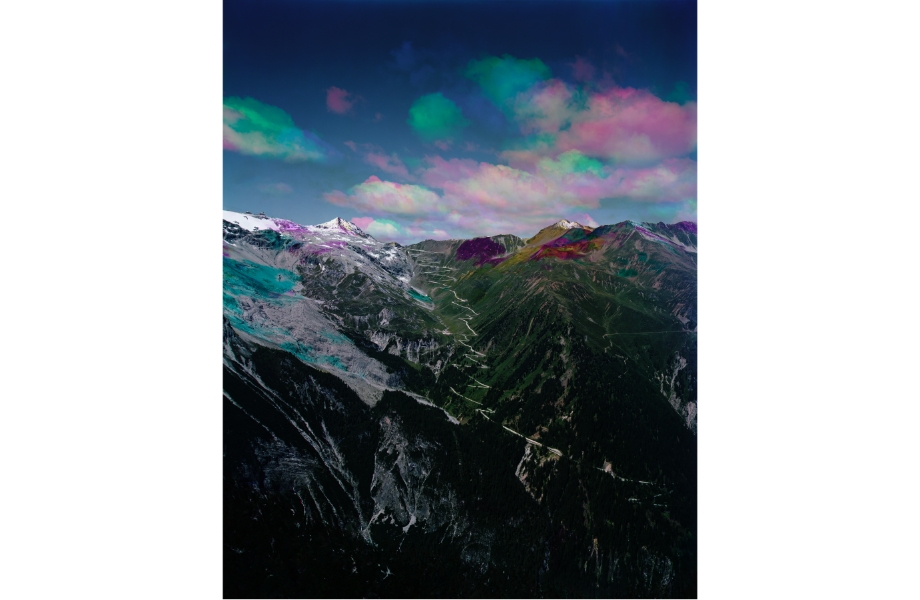
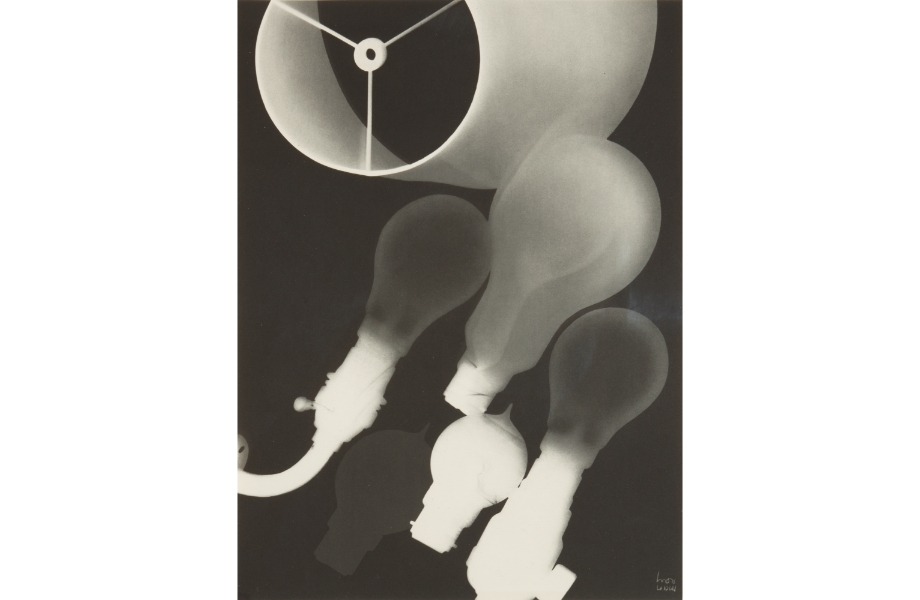
Documentary photography meets conceptual art; the old development and printing processes on different types of photographic paper, such as the albumen technique, stand alongside the new possibilities offered by technical developments and by innovations in digital and inkjet technology; coal black prints are juxtaposed to bright and colourful works. In chronological terms, for the 19th century alone there is a section on the early phases of industrialization and the history of photography. The importance of the theme of work and the quality of the masterpieces that document it offer a unique opportunity for observation and reflection.