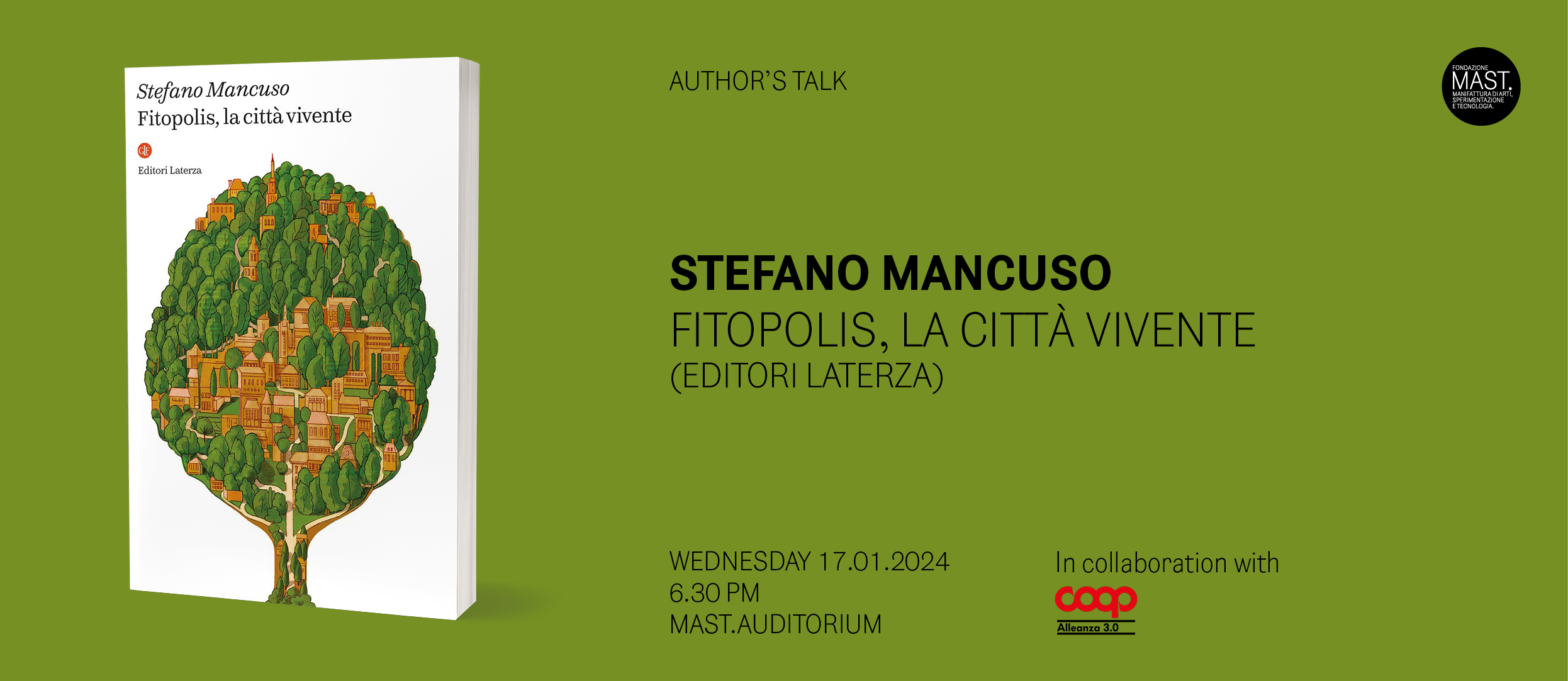
We have forgotten that we are subject to the same fundamental factors as other species, and have placed ourselves outside of nature for too long. Our chances of survival will depend on how we imagine our cities in the coming years.
In just a few decades, our species has transitioned from living immersed in nature and inhabiting every corner of the Earth, to living in a single, specific ecological niche: the city. The transition from hunter-gatherers to farmers 12,000 years ago was comparable to the current revolution. This transformation is advantageous in terms of access to resources, efficiency, defence and diffusion of the species. However, it also exposes us to a significant risk: species specialisation is only effective in a stable environment. It becomes dangerous in changing environmental conditions. Our cities require a constant and increasing flow of resources and energy, but these are not unlimited. Additionally, global warming can permanently alter our environment and threaten our survival. Therefore, it is essential to reintroduce nature into our urban areas.
The cities of the future should become phytopolises. These are places where the relationship between plants and animals is closer to the harmonious relationship found in nature. Nothing is more important for the future of humanity than this.
As part of the program Le Voci dei Libri, in collaboration with Coop Alleanza 3.0
Stefano Mancuso is a full professor who directs the International Laboratory of Plant Neurobiology (LINV) at the University of Florence. He is the scientific director of the Foundation for the Future of Cities. He is also a founding member of the International Society for Plant Signaling & Behavior and an academician emeritus of the Georgofili Academy. He has authored numerous books, which have been translated into over twenty languages. For Laterza, he has published L’incredibile viaggio delle piante (2018), La Nazione delle Piante (2019) and La pianta del mondo (2020).