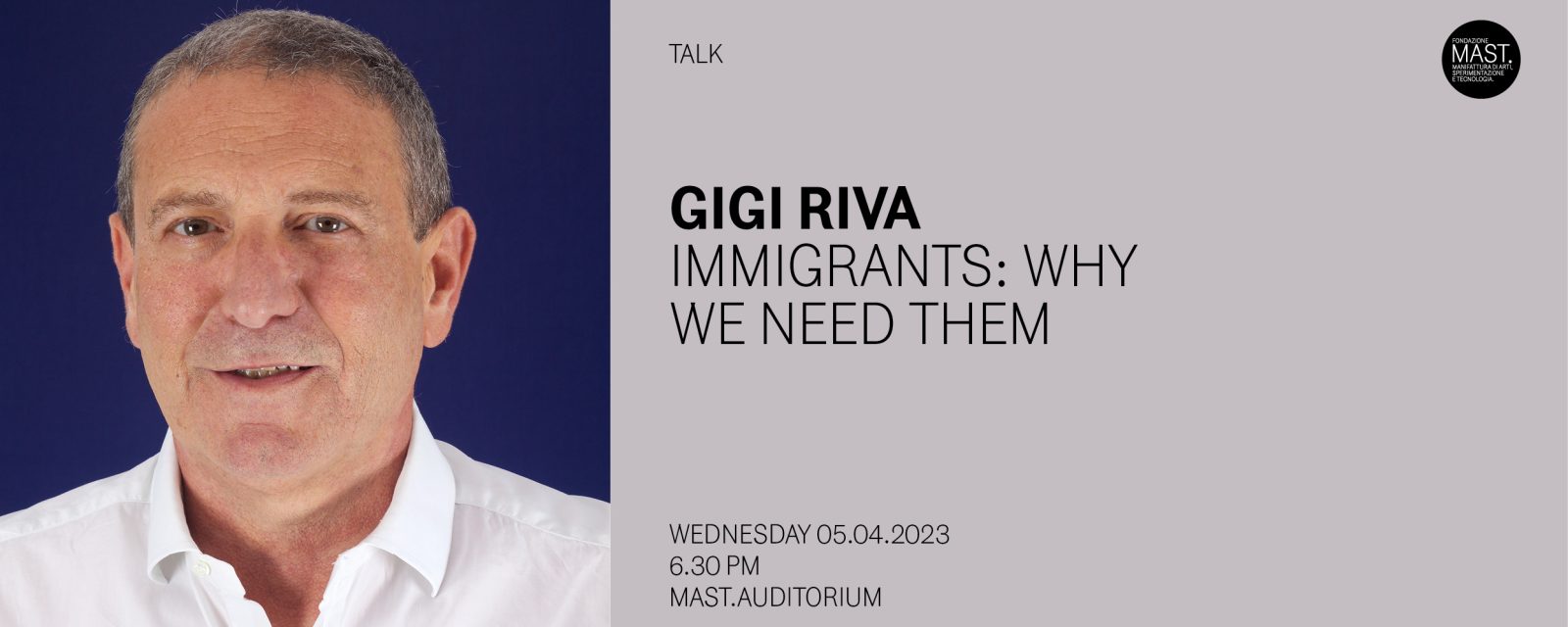
We should welcome them not only for the obvious humanitarian reasons that lie at the heart of our values and culture. But also, selfishly, because we need them. If we set aside emotionalism and apply reason, the data prove it. Italian entrepreneurs have been complaining for years, if not decades, about the lack of labour, especially for jobs that our fellow citizens no longer want to do. More than half a million are needed, according to a report by the Leone Moressa Foundation. The government’s decree on flows provides for only 80,000, and on click day more than 240,000 applications arrived at the Home Office in the short span of a few hours. Foreign workers contribute 15% to the budget of Inps (Italian Social Security Institute, which provides the pensions of our elderly), much more than they receive in various benefits in return. And there are now 600,000 foreign entrepreneurs in the country.
The myth of “invasion” or, worse, “ethnic replacement” should also be debunked. Germany has twice as many foreigners, 10.4 million compared to our 5.2. We are roughly on a par with other large countries like France and Germany. We fall to ninth place in Europe in terms of percentage of the resident population (8.4 % compared with Austria’s 16.6 %, which is first). Also, Italy is a country of transit. People come to leave. Asylum applications in 2021, the latest data available, show Germany in first place with 190,054, followed by France with 120,685, Spain with 65,295 and Italy with 53,610. Instead of turning them away, we should be asking them to stay.
Gigi Riva is a columnist for l’Espresso and a writer. He was editor of the Giornale di Vicenza and central editor of l’Espresso. For eighteen years he was a war correspondent in the Balkans and the Middle East for Il Giorno and l’Espresso. He has written several books, including one on the trafficking of young African footballers, entitled Non dire addio ai sogni (Mondadori). His latest book is Il più crudele dei mesi (Mondadori), a real-life novel about the first wave of the pandemic.