VERTIGO
VIDEO SCENARIOS OF RAPID CHANGES
Le mutazioni della società in videoarte
A cura di Urs Stahel
MAST.Galleries, Livello 0
INGRESSO GRATUITO, SENZA PRENOTAZIONE
MARTEDÌ, GIOVEDÌ, VENERDÌ, ORE 10–19
MERCOLEDÌ, SABATO, DOMENICA, ORE 10–20
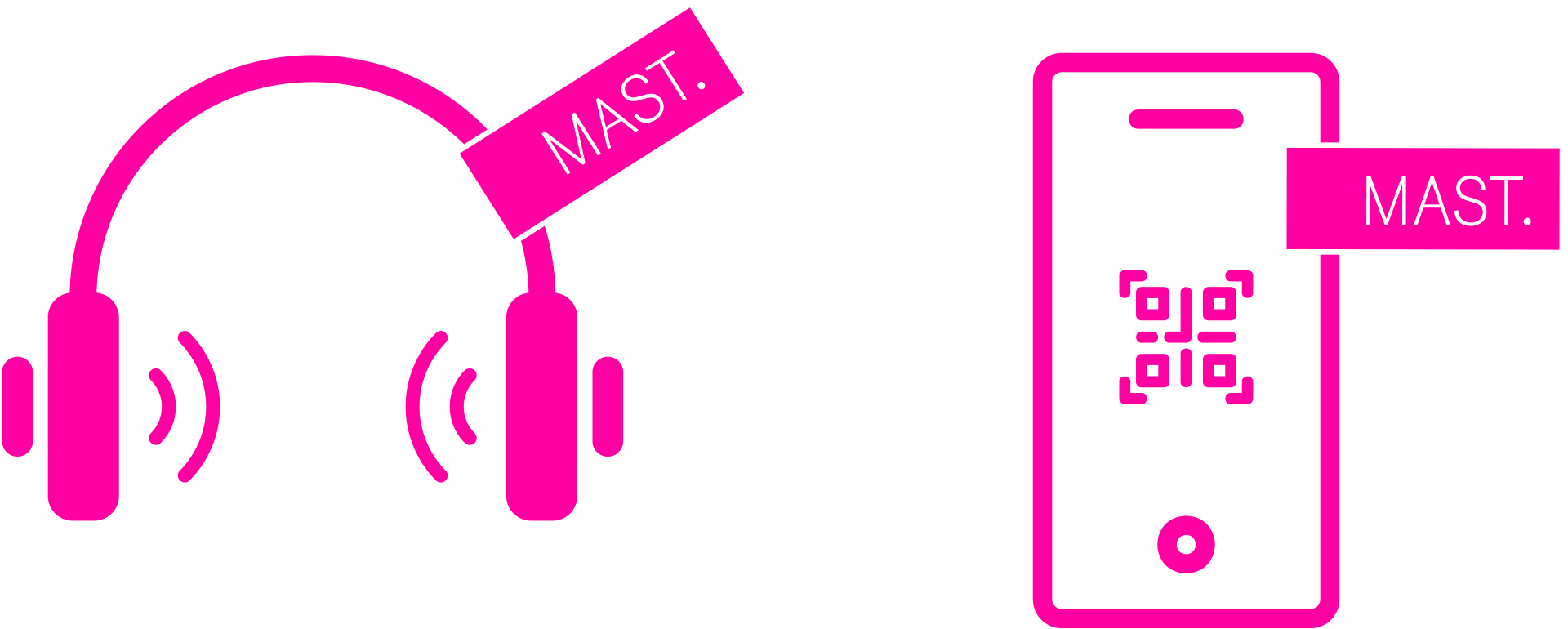
I visitatori possono usufruire di smartphone e cuffie di cortesia disponibili ai desk di accoglienza per ascoltare gli audio delle opere.
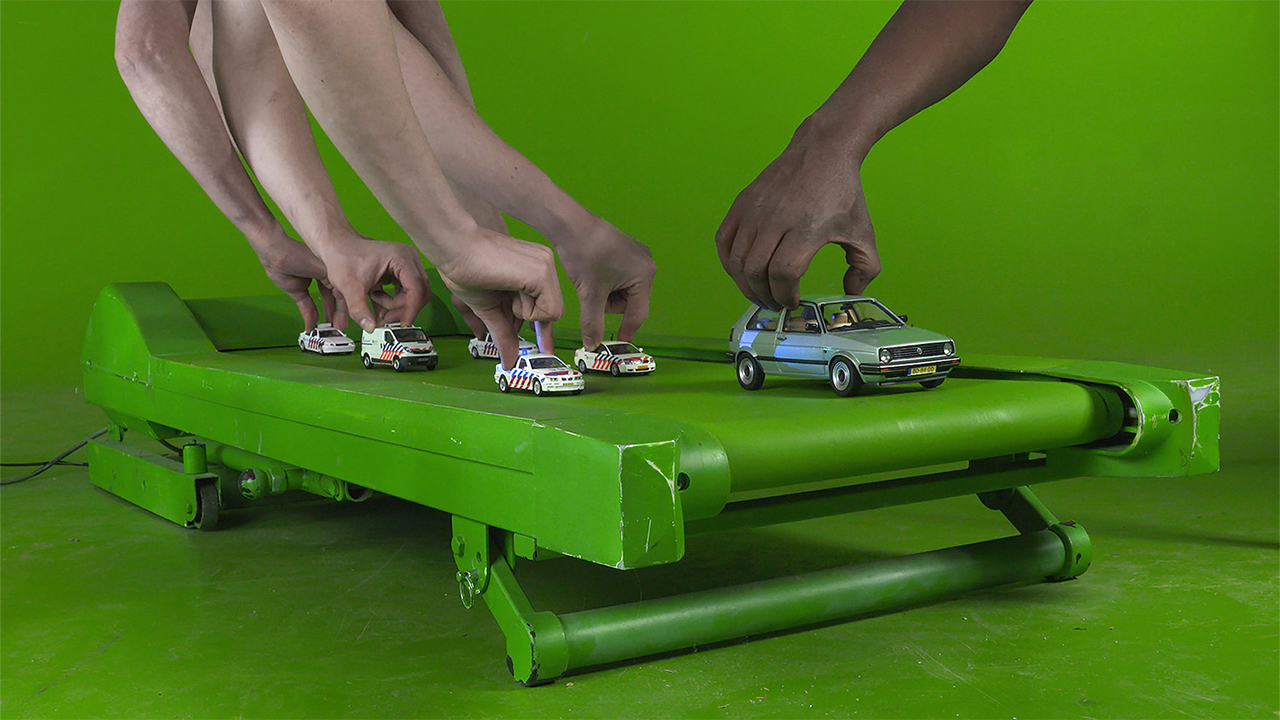
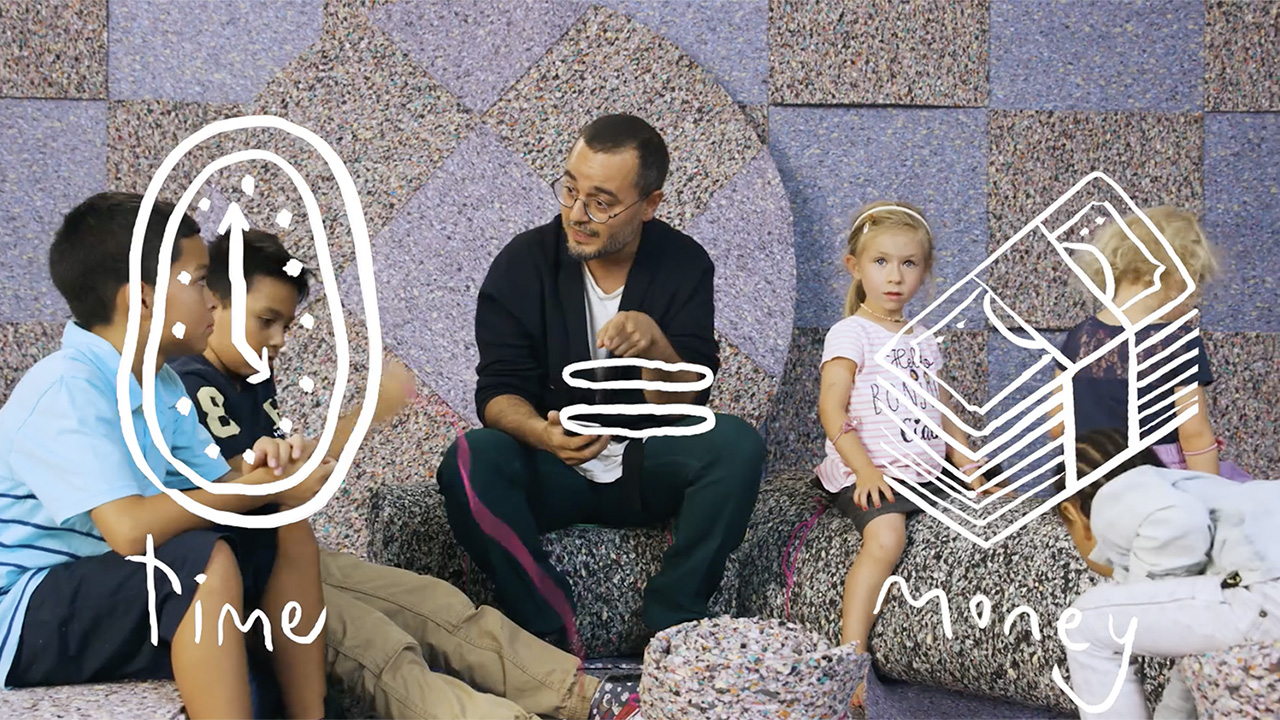
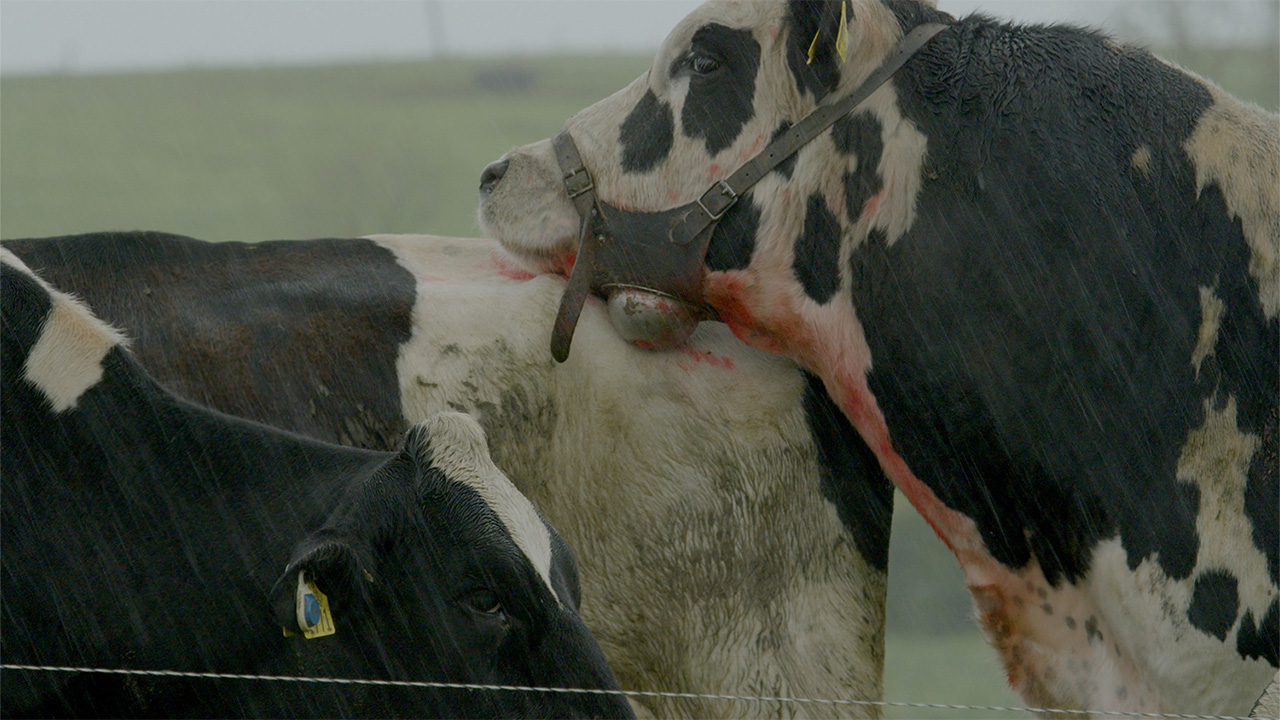
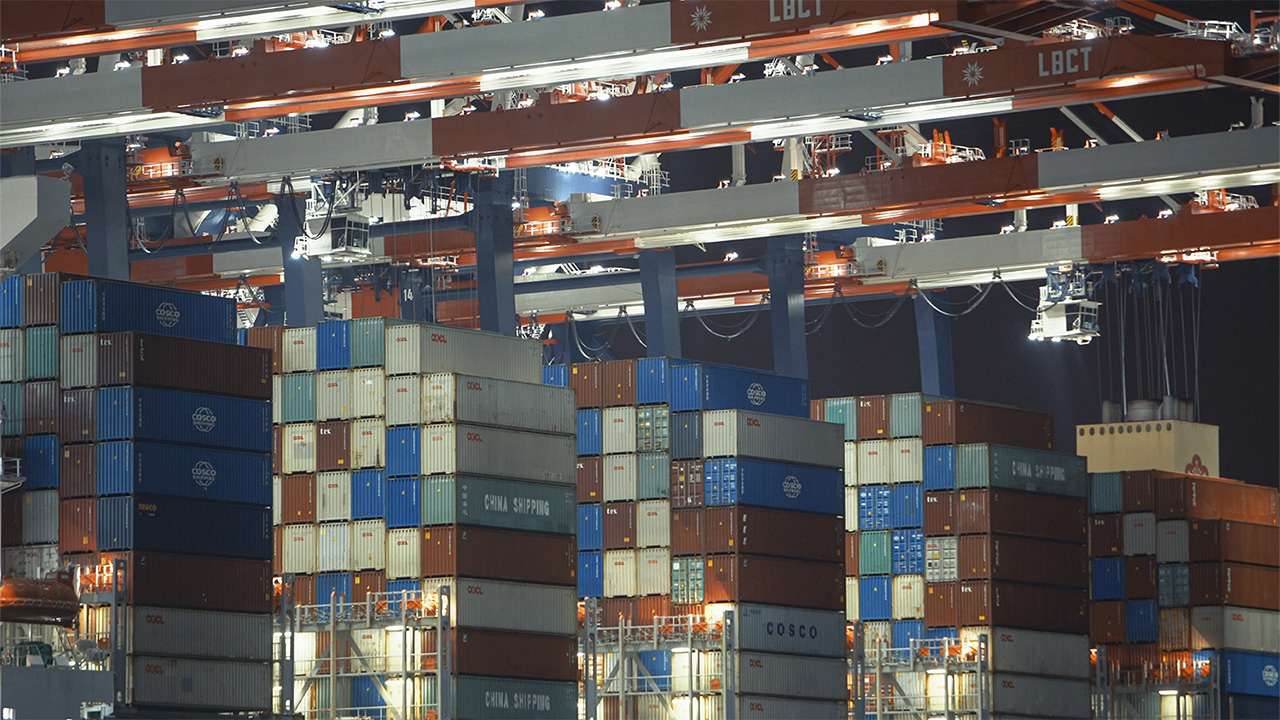
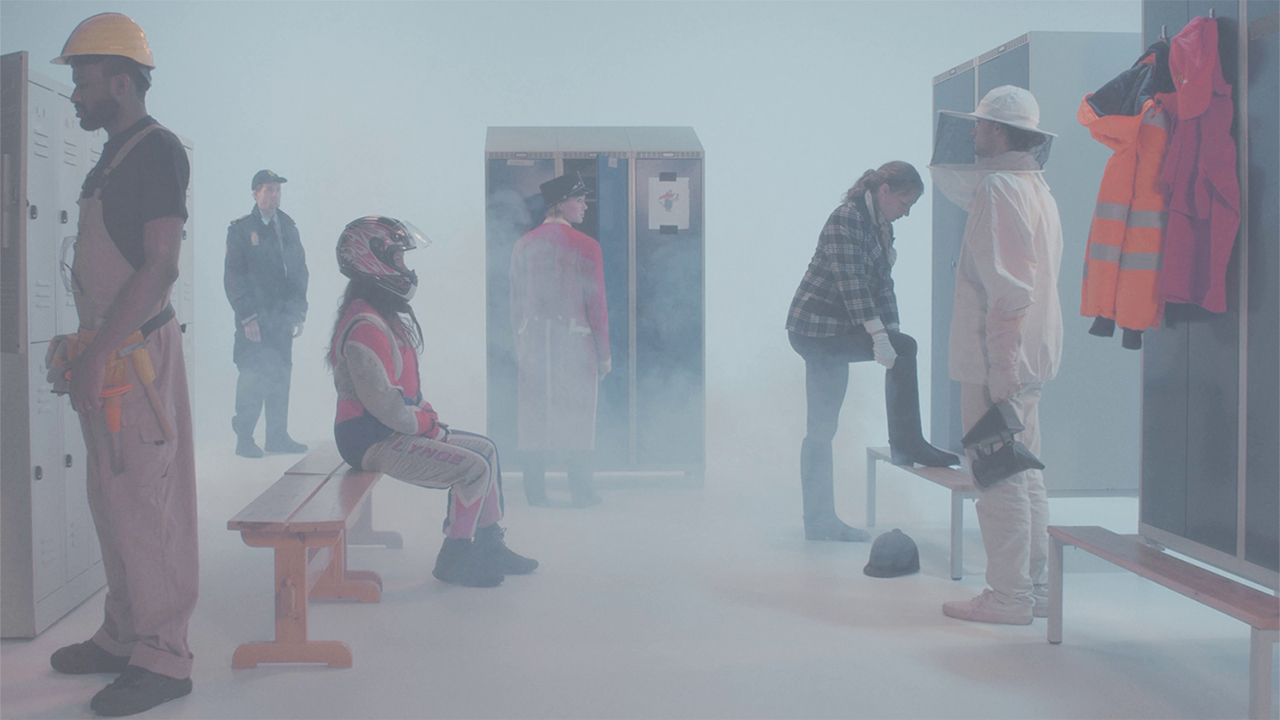
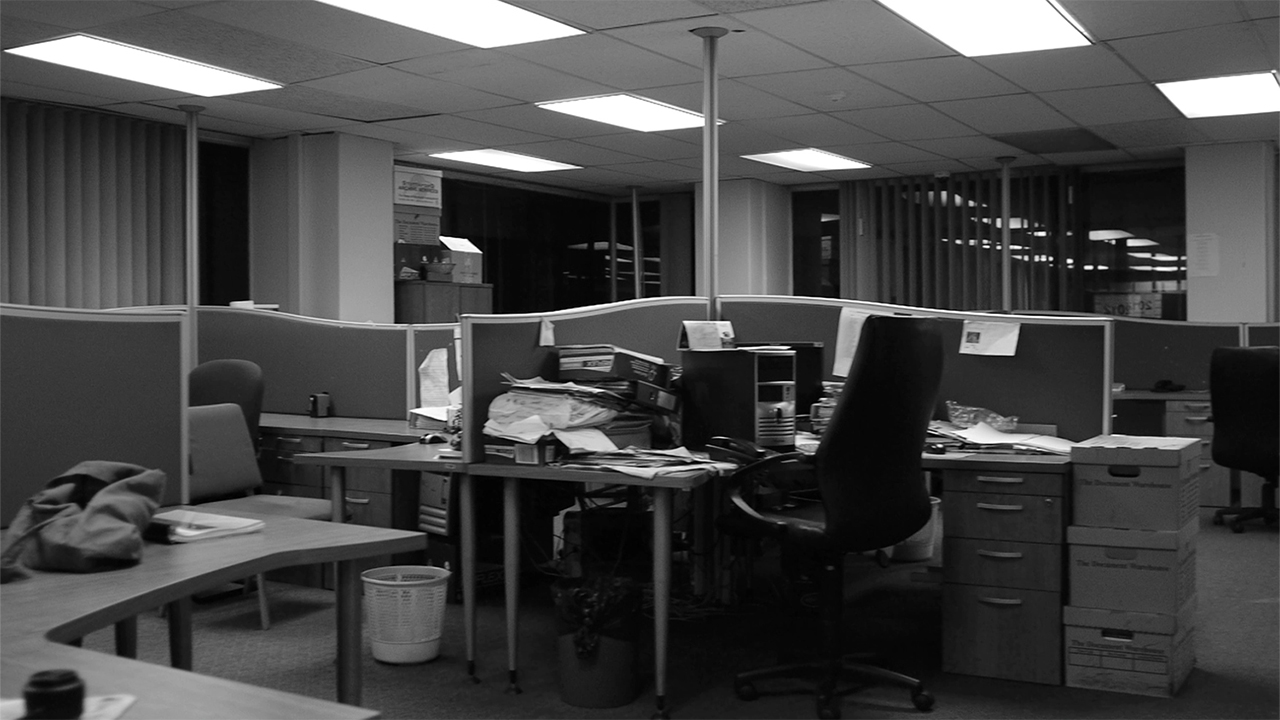
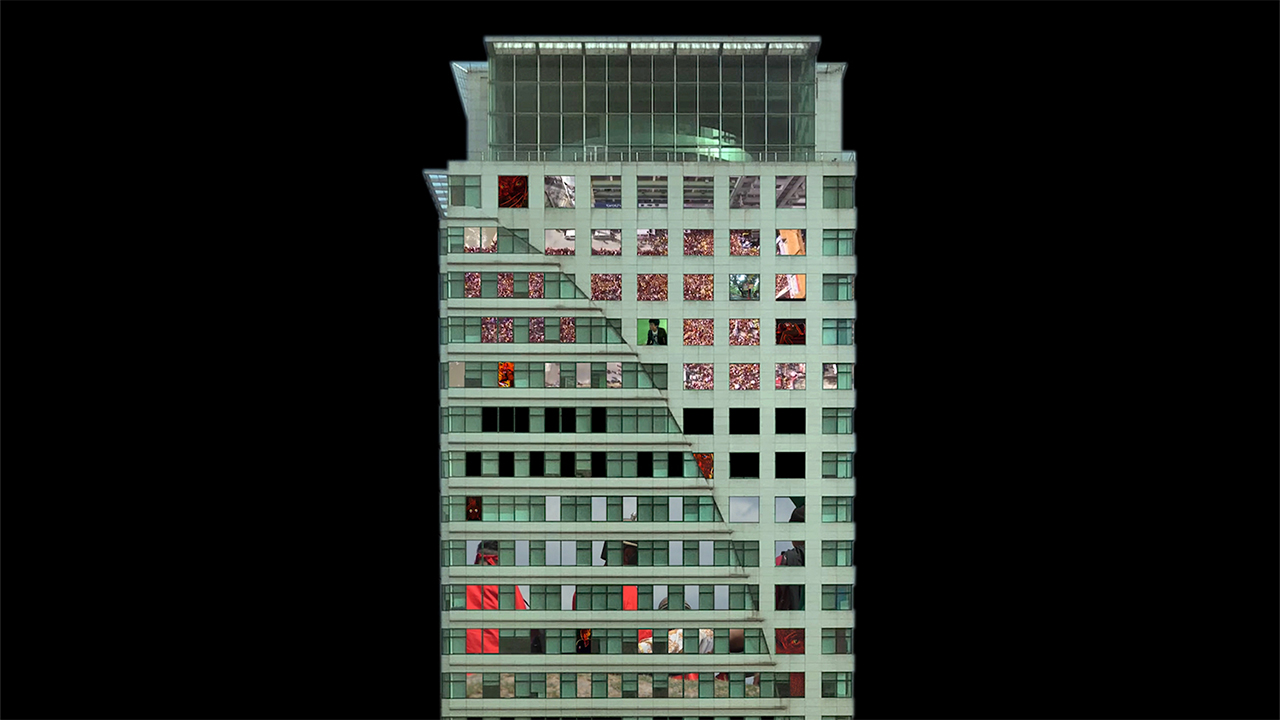
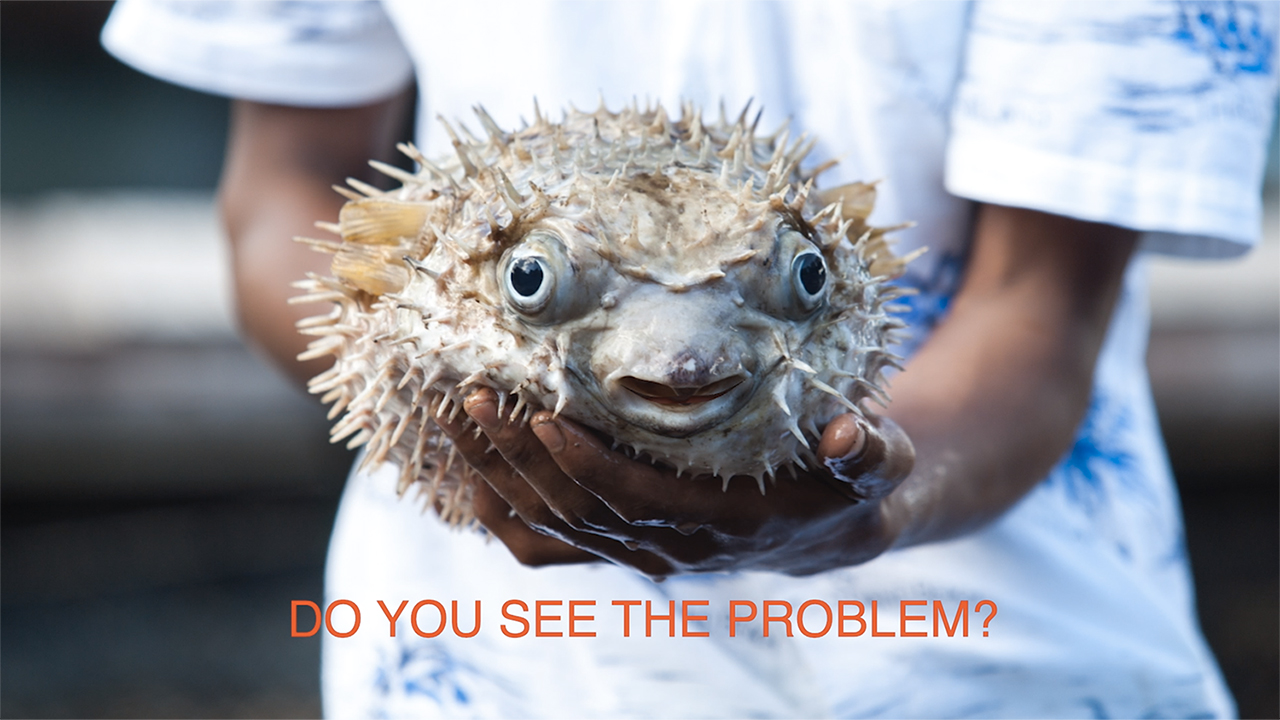
Fondazione MAST presenta la mostra Vertigo – Video Scenarios of Rapid Changes a cura di Urs Stahel: 29 artisti internazionali affrontano il tema delle mutazioni della società attraverso il mezzo della videoarte.
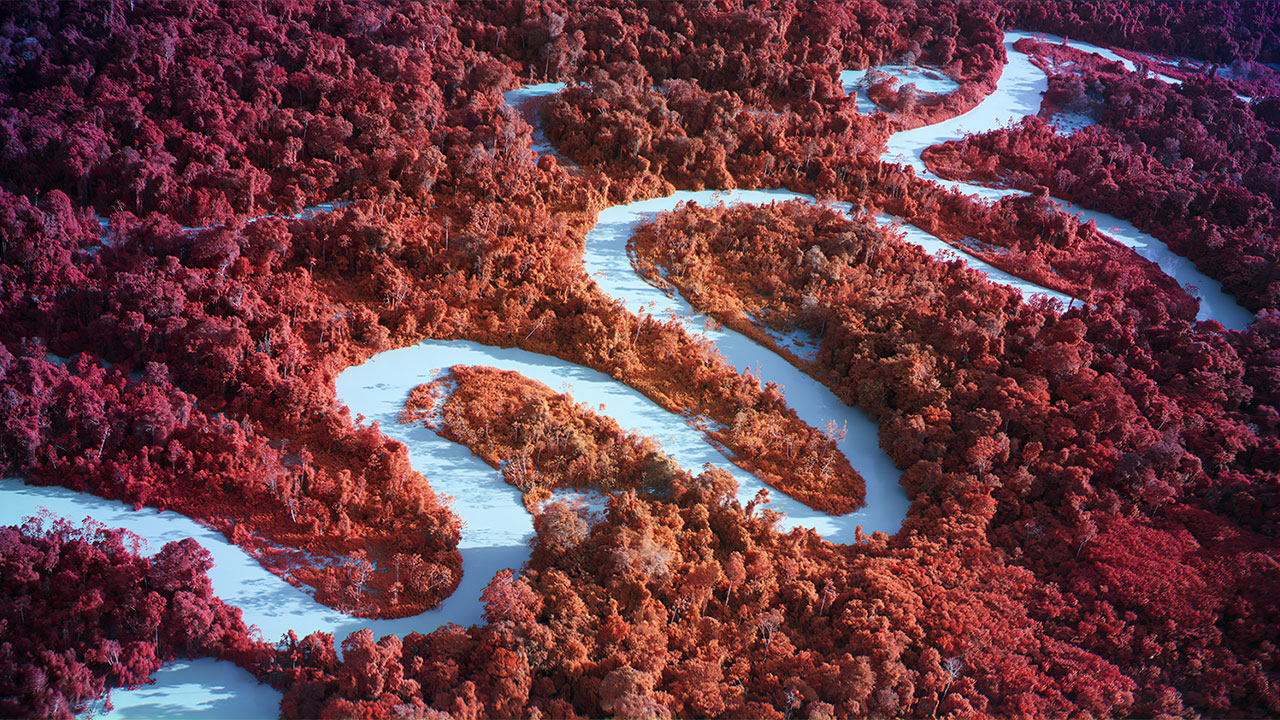
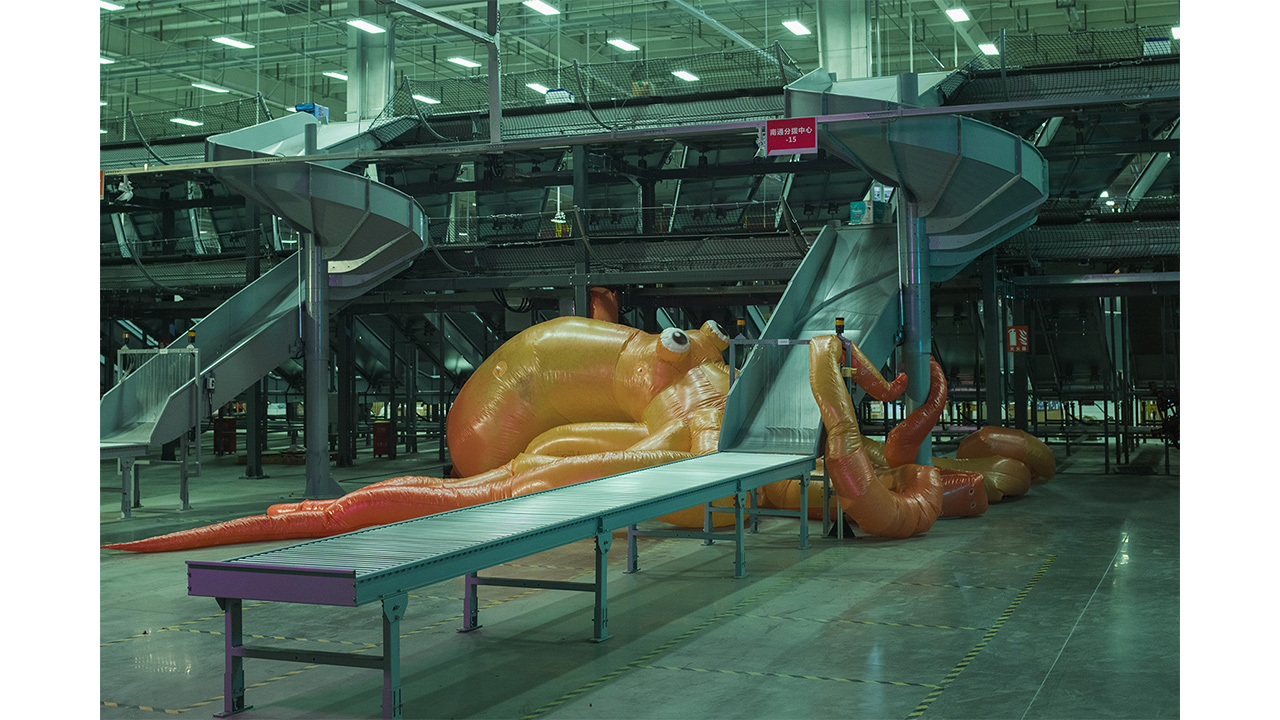
Dal 10 febbraio fino al 14 luglio le Galleries del MAST ospitano 34 opere video che analizzano, commentano, approfondiscono e indagano il rapido cambiamento in ambiti come il lavoro e i processi produttivi, il commercio e i traffici, i nuovi comportamenti, la comunicazione, l’ambiente naturale, il contratto sociale.
Quale mezzo artistico è più indicato dell’immagine in movimento per restituire, appunto, l’idea della trasformazione, della transizione e, infine, della vertigine che provoca questa mutazione continua?
La mostra è strutturata in sei sezioni tematiche accompagnate da una serie di “Intermezzi“, video installazioni disseminate lungo il percorso espositivo che fungono da commenti agli eventi che costellano il presente, allo stato del mondo, alla condizione globale.
Vertigo – Video Scenarios of Rapid Changes è dunque una mostra atipica: è costituita unicamente da opere video di durata molto diversa, alcune anche di diverse ore, il cui audio è fruibile tramite telefono cellulare e cuffie, inquadrando i QR code accanto alle installazioni. Di fianco a ogni opera sono inoltre indicate la durata, la descrizione del contenuto e l’area tematica a cui appartiene.
Gli spazi espositivi sono stati allestiti con sedute per consentire una visione confortevole dei filmati: la mostra è pensata per essere scoperta in più di una visita per cui i visitatori sono invitati a ritornare al MAST per completare la visione delle opere video.
Gli artisti internazionali protagonisti di Vertigo, appartenenti a generazioni diverse, sono: Lucy Beech, Will Benedict, Cao Fei, Chen Chieh-jen, Douwe Dijkstra, DIS, Simon Dybbroe Møller, Nina Fischer & Maroan el Sani, Melanie Gilligan, Simon Gush, Lauren Huret, Sven Johne, Kaya & Blank, Ali Kazma, Dominique Koch, Gabriela Löffel, Ariane Loze, Eva & Franco Mattes, Richard Mosse, Paulien Oltheten, Stefan Panhans & Andrea Winkler, Julika Rudelius, Pilvi Takala, Wang Bing, Anna Witt.
«L’esposizione nasce dalla riflessione sulla mole di informazioni elaborate da ciascuno di noi ogni giorno, che, combinate alla velocità e alla complessità, si trasforma in un fattore travolgente di cambiamenti nella società – spiega Urs Stahel –. I dati mostrano che oltre il 40% della popolazione europea si avvia alla totale rinuncia ai mezzi di informazione tradizionali. La scrittura e il calcolo li lasciamo volentieri alle macchine. La comunicazione scritta è ormai obsoleta o si è ridotta a poche righe. La lettura, il pensiero e la memoria sono destinati a indebolirsi. Il risultato è che oggi ci troviamo a fare i conti con parametri in continua evoluzione, cambiamenti di proporzioni così colossali in termini di portata, velocità e qualità che non siamo più in grado di comprenderli, e nemmeno riusciamo a reagire in maniera adeguata. Il più delle volte ci sentiamo storditi, insicuri e smarriti: la vertigine – intesa nel senso più ampio come incertezza, ottenebramento, mancanza di chiarezza e capogiro – è divenuta la nuova normalità».